Introduction
introduction:-the-truth-behind-the-glowIf you’ve ever traced a finger over an old acne mark or a tight surgical line and wondered whether “stem cells” could smooth it, you’re not alone. In Gangnam — the heart of Seoul’s cosmetic innovation — patients often ask us: Is stem cell therapy truly the answer for scars that don’t fade?
To be honest, the answer is encouraging but complex. Stem cell–based regenerative treatments can improve scar quality and texture, but they aren’t a magic eraser. Their success depends on understanding the type of scar, the method used, and how these treatments are combined with established surgical or dermatologic techniques.
At Arke Clinic in Gangnam, our philosophy is simple: precision, safety, and natural-looking results. This article unpacks what “stem cell treatment” for scars actually means, what science supports it, and how regenerative medicine can be integrated responsibly to achieve lasting, realistic improvement.
What “Stem Cell Treatment” Really Means in Scar Therapy
what-"stem-cell-treatment"-really-means-in-scar-therapyThe term “stem cell treatment” is widely used — sometimes too broadly. In reality, most medically responsible approaches to stem cell–based scar care fall into four categories:
1. Autologous Fat Grafting (Microfat or Nanofat)
1.-autologous-fat-grafting-(microfat-or-nanofat)Your own fat — gently harvested from areas like the lower abdomen or thighs — contains a stromal vascular fraction (SVF) rich in supportive cells, including adipose-derived stem cells (ADSCs). When reinjected in refined form, this tissue not only restores lost volume but also releases growth factors that improve blood supply, reduce inflammation, and remodel collagen within scarred skin.
2. Cell-Assisted Lipotransfer (CAL)
2.-cell-assisted-lipotransfer-(cal)CAL enriches standard fat grafting by adding an extra concentration of SVF or ADSCs. The goal is to improve graft survival and amplify regenerative signaling. While CAL is still more advanced and resource-intensive, it’s becoming a valuable adjunct for complex scars or tissue damaged by burns or radiation.
3. Cell-Free Biologics (Conditioned Media, Exosomes, Secretome)
3.-cell-free-biologics-(conditioned-media-exosomes-secretome)Here, instead of injecting live cells, we use the growth factors and proteins secreted by stem cells. These biologics can be applied after microneedling or fractional laser to enhance skin regeneration. They encourage healthier collagen production and calm residual inflammation, improving texture and color in milder scars or stretch marks.
4. Allogeneic Mesenchymal Stem Cells (MSCs)
4.-allogeneic-mesenchymal-stem-cells-(mscs)These are stem cells sourced from donors (often umbilical cord or bone marrow). While promising in research, they are still restricted to controlled trials or advanced medical centers. In aesthetic practice, autologous, minimally manipulated approaches—like fat or SVF—remain the gold standard for safety and predictability.
At Arke Clinic, we never “inject stem cells” as a standalone miracle cure. Instead, we use them as part of a precise regenerative strategy to support healing and improve scar quality in combination with time-tested methods such as subcision, microneedling, laser resurfacing, or surgical scar revision.
Why Scars Form — and Where Regeneration Can Help
why-scars-form-and-where-regeneration-can-help
To understand how stem cell therapy helps, it’s important to know why scars behave the way they do.
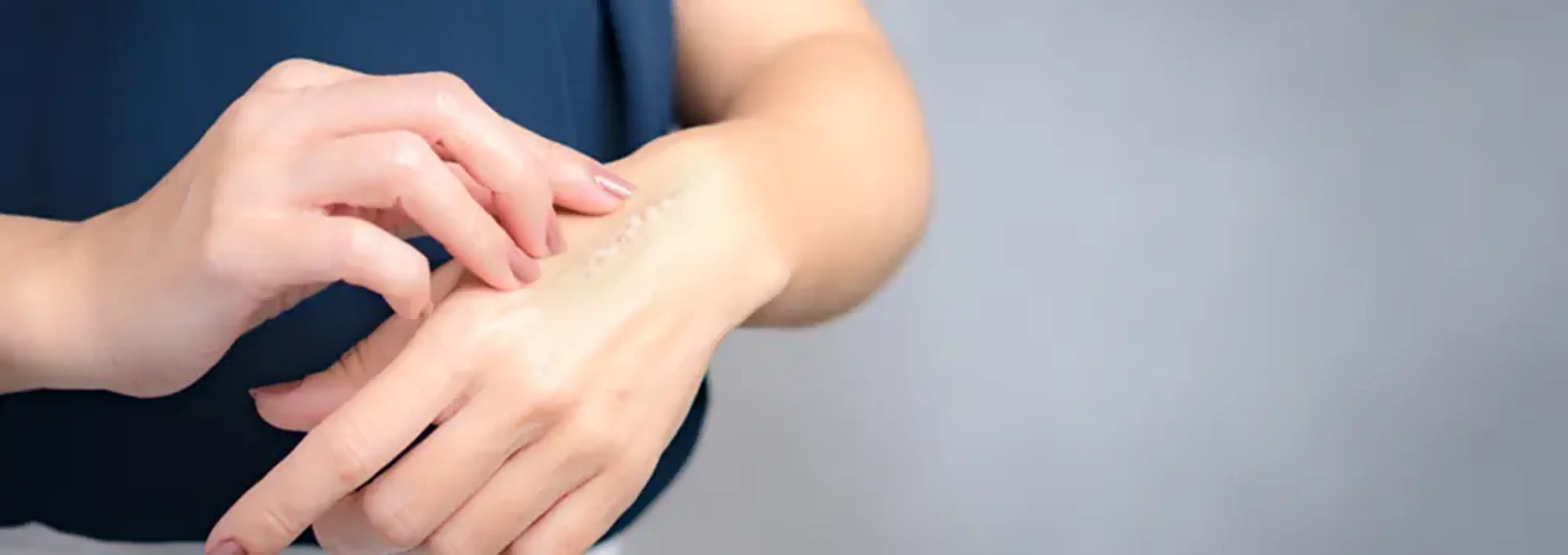
A scar isn’t simply damaged skin—it’s an overcorrection by your body’s healing system. Fibroblasts, the collagen-producing cells, work overtime to close a wound quickly, leading to thick, disorganized collagen bundles. The result: skin that feels tight, uneven, or raised.
Different scar types behave differently:
Atrophic scars: Sunken or pitted (common in acne or after surgery) due to collagen loss.
Hypertrophic scars: Raised but confined to the original wound.
Keloid scars: Extend beyond the original injury, often itchy or painful.
Contracture scars: Caused by burns or trauma, leading to tightness and restricted movement.
Stem cell–based regenerative therapy targets the biological imbalance behind these scars. By improving microcirculation, moderating inflammation, and encouraging healthier collagen deposition, these treatments can make scars softer, smoother, and more elastic.
However, biology still defines the limit: a 10-year-old surgical scar can’t vanish, but it can blend in much more naturally with surrounding skin. The goal isn’t perfection—it’s balance.
What the Research Says (and Why It Matters)
what-the-research-says-(and-why-it-matters)The field of regenerative medicine is expanding rapidly, and scar therapy has become one of its most promising applications. Here’s what current evidence tells us:
Fat grafting and nanofat therapy show consistent clinical improvements in scar pliability, texture, and color—especially in burn or atrophic scars. Multiple reviews confirm enhanced softness, elasticity, and patient satisfaction, with minimal risk when performed by experienced surgeons.
ADSC-enriched grafts (CAL) appear to increase the survival of transferred fat and further improve the skin’s vascularity and texture. Large-scale studies are ongoing, but results so far are encouraging.
Cell-free biologics like exosomes and conditioned media are emerging as powerful adjuncts to microneedling and fractional laser. Small controlled studies demonstrate faster recovery and improved skin quality compared to traditional needling alone.
Hypertrophic and keloid scars remain challenging. Stem cell therapy can help calm inflammation and reduce hardness, but recurrence rates remain high if core treatment principles (steroid injections, silicone therapy, pressure application) are ignored.
In short, stem cell therapy works best as part of a comprehensive plan—not as a substitute for conventional scar management.
How We Approach Scar Assessment at Arke Clinic
how-we-approach-scar-assessment-at-arke-clinicEvery scar has a story.
At Arke Clinic in Gangnam, your first consultation is never rushed because the treatment depends entirely on understanding the biology and structure of your scar.
We evaluate:
Type and age of the scar (fresh, red, indented, or fibrotic)
Depth and tethering — is the skin anchored to deeper tissues?
Location and skin tone, which influence how it heals and whether pigmentation or redness is likely
Functional impact — does the scar restrict movement, cause itching, or discomfort?
Aesthetic goal — do you want smoother texture, reduced discoloration, or improved contour?
Many patients are surprised to learn that mechanical correction must precede biological repair. If a scar is physically tethered, releasing it through subcision or microfat grafting is essential before applying regenerative agents. Otherwise, even the most advanced biologics can only offer limited improvement.
The Main Techniques We Use
the-main-techniques-we-use
1. Microfat and Nanofat Grafting with Scar Release
1.-microfat-and-nanofat-grafting-with-scar-releaseBest for: Atrophic acne scars, post-surgical depressions, or radiated skin.
This technique involves gentle fat harvesting, purification, and reinjection into and beneath the scar tissue. Microfat restores subtle volume, while nanofat (a finer, cell-rich fraction) enhances the skin’s texture and tone. When combined with subcision, this approach releases deep adhesions and promotes more natural light reflection across the skin.
Expected outcome: Visible softening of indented scars and improved texture over 3–6 months as collagen remodeling occurs.
2. Cell-Assisted Lipotransfer (CAL) or SVF-Enriched Fat Grafting
2.-cell-assisted-lipotransfer-(cal)-or-svf-enriched-fat-graftingBest for: Complex scars or damaged tissue that needs both structural and biological regeneration.
Here, the fat is enriched with SVF — a concentration of regenerative cells extracted from your own tissue — before reinjection. This advanced method enhances graft longevity and can rejuvenate skin that feels tight or uneven.
Expected outcome: More stable correction, improved vascularity, and a healthier skin surface. However, it requires advanced equipment and expert handling.
3. Microneedling or Fractional Laser with Cell-Free Biologics
3.-microneedling-or-fractional-laser-with-cell-free-biologicsBest for: Fine textural irregularities, stretch marks, or early post-acne scarring.
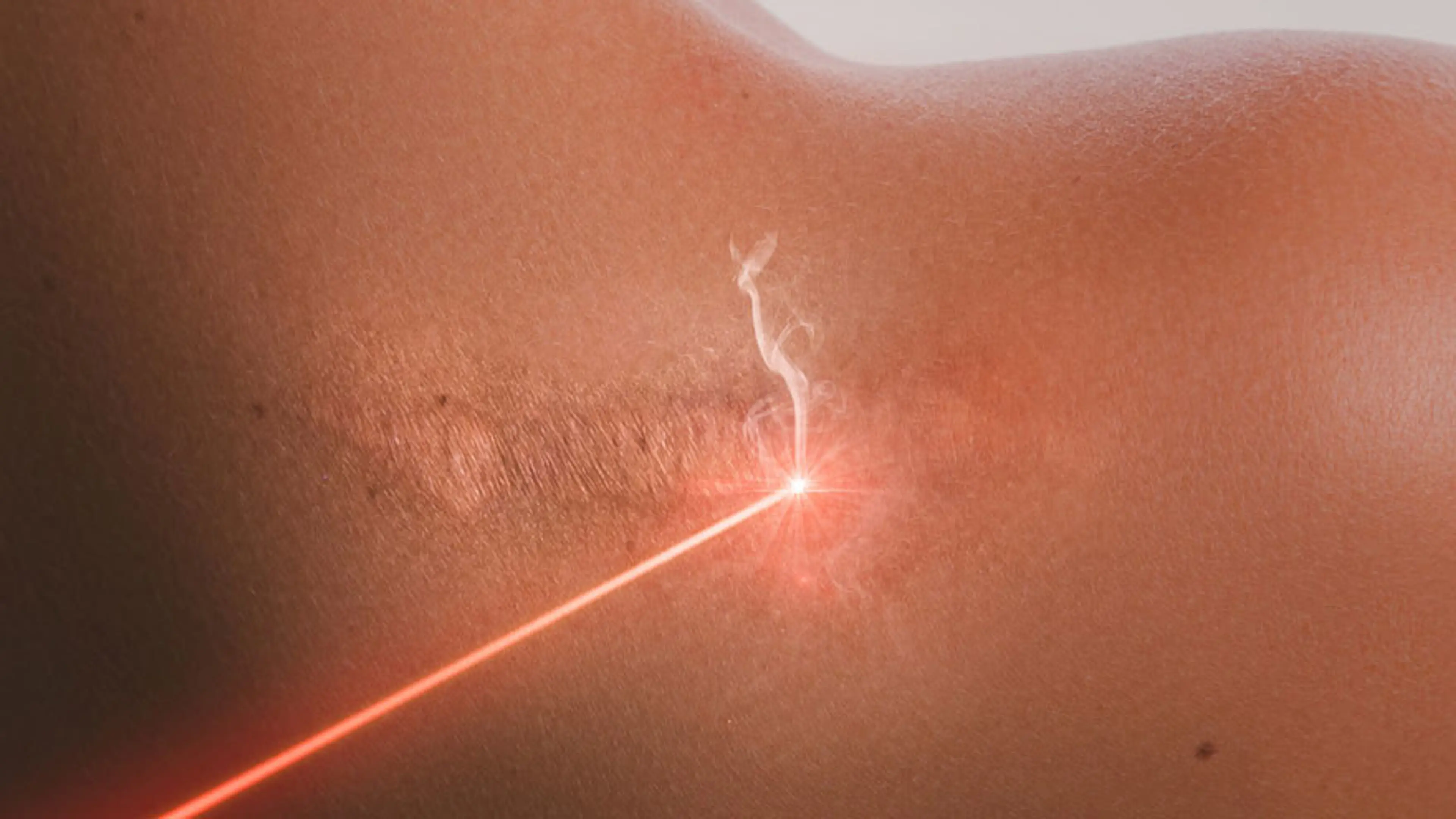
After creating micro-injuries with a laser or microneedling device, we apply exosome or growth-factor–rich solutions. This pairing accelerates healing, boosts collagen synthesis, and refines skin texture. It’s ideal for patients seeking gentle, progressive improvement without surgical downtime.
4. Regenerative Support for Hypertrophic or Keloid Scars
4.-regenerative-support-for-hypertrophic-or-keloid-scarsBest for: Raised scars with persistent redness or itchiness.
We use regenerative adjuncts after stabilizing the scar with intralesional steroids or 5-FU. The goal isn’t removal but reprogramming: calming inflammation, reducing recurrence, and improving texture and color.
However, maintenance — silicone therapy, pressure garments, or laser sessions — remains critical to long-term success.
Realistic Expectations: What Patients See
realistic-expectations:-what-patients-seeLet’s set expectations based on common cases we treat in Seoul:
Indented Acne Scars: After subcision and nanofat grafting, the skin becomes smoother and reflects light more evenly. Pores appear smaller, and makeup sits better. Improvements are gradual but visible after 3–4 months.
Surgical Scars (e.g., after C-section or thyroid surgery): Once the scar flattens, microfat or nanofat grafting helps blend its color and texture with the surrounding skin. Many patients describe it as “less noticeable” rather than “gone.”
Hypertrophic Chest Scars: With combined intralesional and regenerative therapy, itching and redness often decrease. These scars respond slowly but can become significantly softer over time.
Patience is key — regeneration works with your body’s biology, not against it.
Safety, Downtime, and Aftercare
safety-downtime-and-aftercareAt Arke Clinic, safety always comes first. All regenerative procedures are performed using autologous materials in a sterile, OR-level environment.
Downtime:
Risks: Minor bruising, temporary swelling, or unevenness (rare).
Aftercare: Avoid direct heat and heavy makeup for several days. Gentle skin hydration and sun protection accelerate healing.
For keloid-prone skin: Preventive silicone and compression therapy are planned in advance to minimize recurrence.
Overcorrection can make results look unnatural. We prefer staged enhancement, allowing the skin to remodel gradually — a principle that defines the Arke Clinic approach.
The Future of Regenerative Scar Therapy
the-future-of-regenerative-scar-therapyThe next frontier in scar management lies not just in adding cells but in refining the signals that guide healing.
Exosome and secretome research aims to deliver customized regenerative cues — stimulating angiogenesis for pale scars or suppressing overactive fibroblasts in keloids.
Imaging-guided injections may soon allow surgeons to map scar layers precisely, improving safety and precision.
Multimodal algorithms, already standard in keloid management, will likely become the norm in regenerative aesthetics — combining mechanical, biological, and laser-based methods for individualized care.
Arke Clinic actively integrates these innovations within safe, evidence-based boundaries.
Common Questions About Stem Cell Scar Treatments
common-questions-about-stem-cell-scar-treatmentsWill stem cells remove my scar completely?
No. They significantly improve quality, softness, and appearance, but complete removal isn’t possible. The goal is natural blending, not total erasure.
Is it better than laser treatment?
Not necessarily — they complement each other. Lasers resurface; stem cell–based methods regenerate from within. Together, they deliver the best results.
How long do results last?
Results from fat-based grafting are generally long-lasting, while biologic treatments may require periodic sessions for maintenance.
Is it safe for darker skin?
Yes, when performed conservatively. We adjust laser settings and healing protocols to minimize pigmentation risk.
Can medical tourists do this during one visit to Seoul?
Yes, most microfat or nanofat procedures can be completed in a single trip. For ongoing keloid care, we provide detailed follow-up instructions and remote consultations.
The Arke Clinic Philosophy: Precision and Trust
the-arke-clinic-philosophy:-precision-and-trustLed by Dr. In-Bae Kim (PhD, Yonsei University; former professor at Seoul St. Mary’s Hospital), Arke Clinic merges advanced surgical skill with a deeply personalized aesthetic philosophy. Every treatment plan begins with listening — not selling. Our approach centers on realistic outcomes, patient safety, and natural harmony.
We believe scars deserve not to be erased, but redesigned — softened, integrated, and healed in both form and texture.
If you’re considering scar revision or regenerative treatment in Seoul, visit Arke Clinic in Gangnam for a personalized consultation. You’ll receive an honest evaluation, a detailed plan, and results that enhance your confidence without altering your essence.